
Skeletal Expansion | Wellspring Dental

Wellspring Dental

Skeletal Expansion

Creating the Space Your Mouth and Airway Need to Function Better

When a Narrow Jaw Is Part of the Bigger Picture

The size and shape of your jaws influence more than how your teeth fit together. They also affect how much room your tongue has, how your bite develops, and the space available for your airway.

When the upper jaw or palate develops too narrowly, the effects can show up in different ways. Crowded teeth. Mouth breathing. Poor tongue posture. Sleep concerns. A bite that doesn’t fit together properly. Sometimes the problem appears to be the teeth, when the underlying issue is that there simply isn’t enough space.

Skeletal expansion is designed to address that underlying structure. Rather than only moving teeth within the space available, expansion can help create a healthier foundation for the teeth, tongue, bite, and airway to function together.

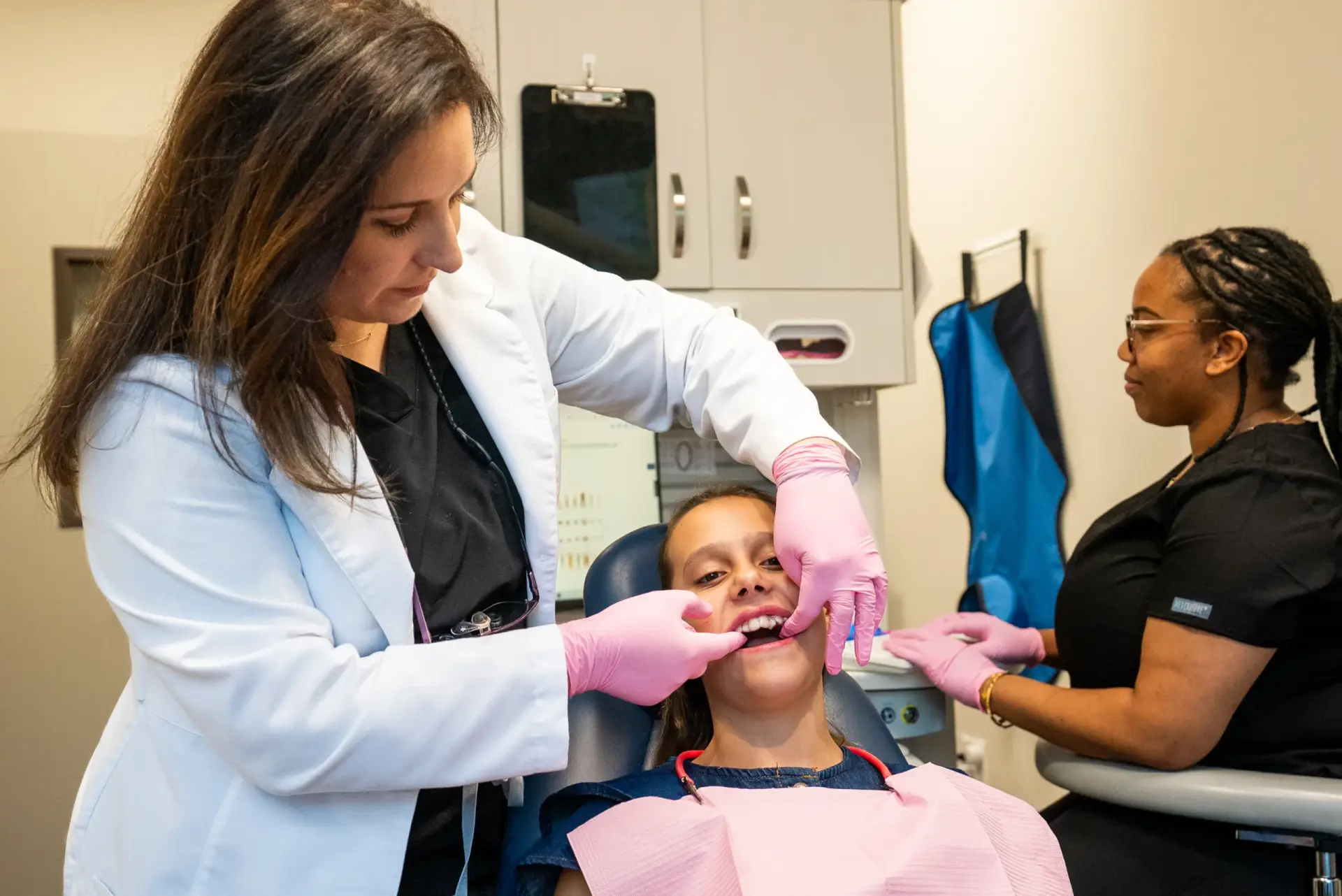
Placeholder for Wellspring skeletal expansion photography
Placeholder for patient or airway-focused Wellspring photography

What You May Be Noticing

Signs Skeletal Expansion May Be Worth Exploring

Crowded teeth. A narrow or high palate. Crossbite. Mouth breathing. Snoring or restless sleep. Difficulty keeping the tongue comfortably on the roof of the mouth. Orthodontic relapse. A smile that appears narrow. Teeth that do not have enough room to erupt properly.

In children, you may also notice changes in facial growth, prolonged oral habits, or permanent teeth beginning to erupt without enough space.

These signs do not automatically mean expansion is necessary. They tell us that jaw development, tongue space, breathing, and the bite deserve a closer look.
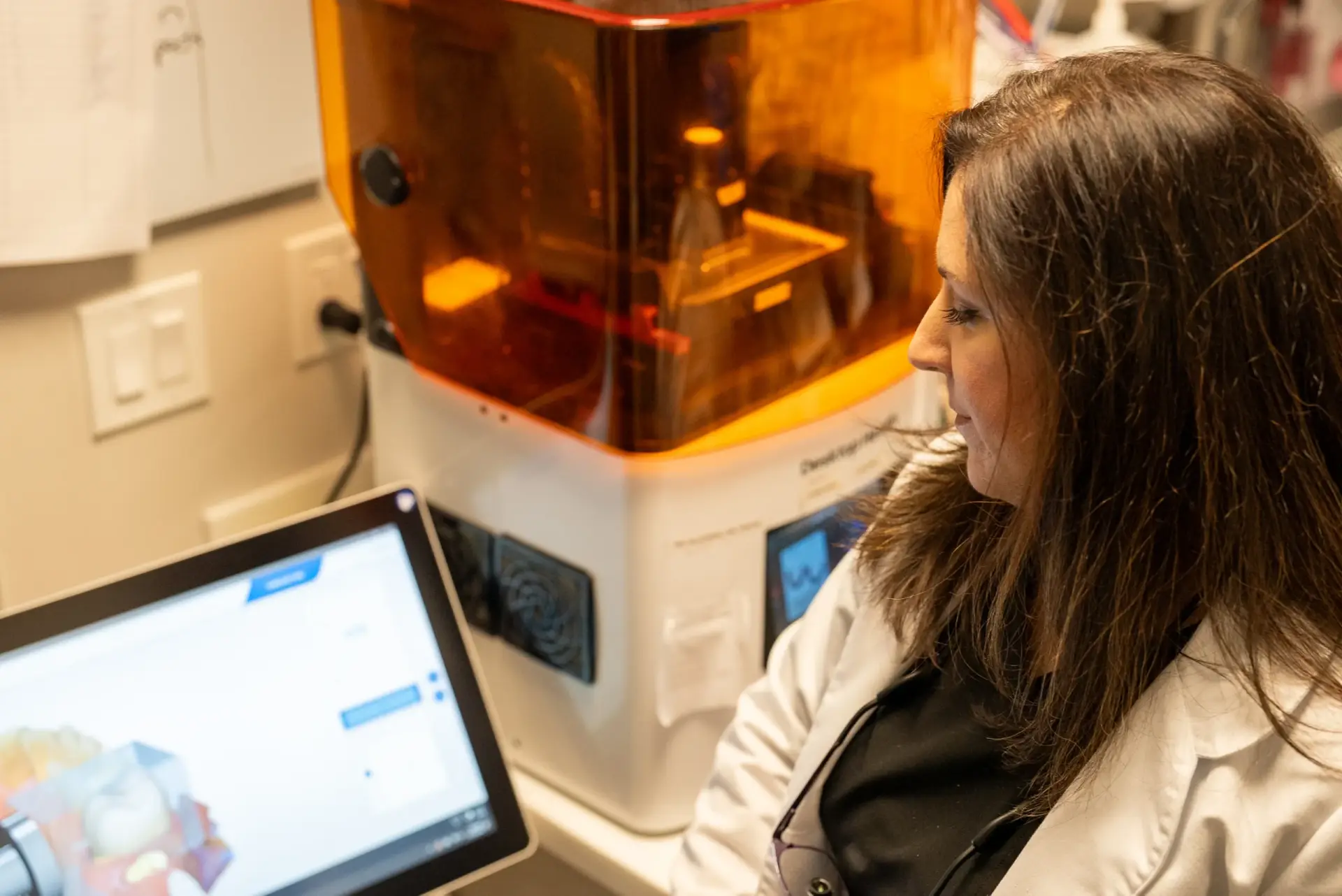

Placeholder for Wellspring diagnostic or consultation photography

The Bigger Functional Picture

What We Pay Attention To

We evaluate the jaws as part of a larger functional system.

That means looking at the width and development of the palate, how the upper and lower jaws relate to one another, how the teeth fit together, and whether the tongue has enough room to rest and function properly. We also consider breathing patterns, airway anatomy, muscle function, and sleep concerns when they are relevant.

The goal is not simply to make more room for straight teeth. We want to understand whether the underlying skeletal structure is supporting healthy breathing, tongue function, bite stability, and long-term development.

An Individualized Approach

Expansion at Different Stages of Life

Growth and anatomy change how skeletal expansion is approached. The evaluation helps determine what is appropriate for each person.

Placeholder for Wellspring pediatric photography

Expansion in Children

Childhood gives us a unique opportunity to work with growth while the jaws and facial structures are still developing.

When a child’s upper jaw is too narrow, early expansion can help create additional space for developing teeth and support a broader, healthier oral structure. Depending on the child, expansion may also support nasal breathing, tongue posture, and airway development.

Timing matters. When structural concerns are identified during growth, there may be opportunities to guide development before crowding, bite problems, or functional concerns become more established.

Our recommendations are based on your child’s individual development, not simply their age or whether their teeth appear straight.

Placeholder for Wellspring adult patient photography

Expansion in Adults

Expansion is not limited to children.

Adults with a narrow upper jaw may also benefit from skeletal expansion, including approaches such as MARPE (miniscrew-assisted rapid palatal expansion). The approach differs from treatment in children because facial growth is complete. Adult treatment requires careful evaluation of the underlying bone, bite, airway, tongue space, and overall treatment goals.

For some patients, expansion can create additional skeletal width rather than relying solely on moving or tipping the teeth. This may provide more room for the tongue, improve the relationship between the upper and lower jaws, and create a better foundation for additional functional or orthodontic treatment when needed.

The right approach depends entirely on your anatomy and what we find during the evaluation.

How Treatment Is Approached

Skeletal expansion is never considered in isolation. We first determine why additional space may be needed and how expansion fits into the larger picture of your health and function.

Your evaluation may include:

  • 3D Cone Beam imagingto evaluate the jaws, airway, nasal structures, and available skeletal space
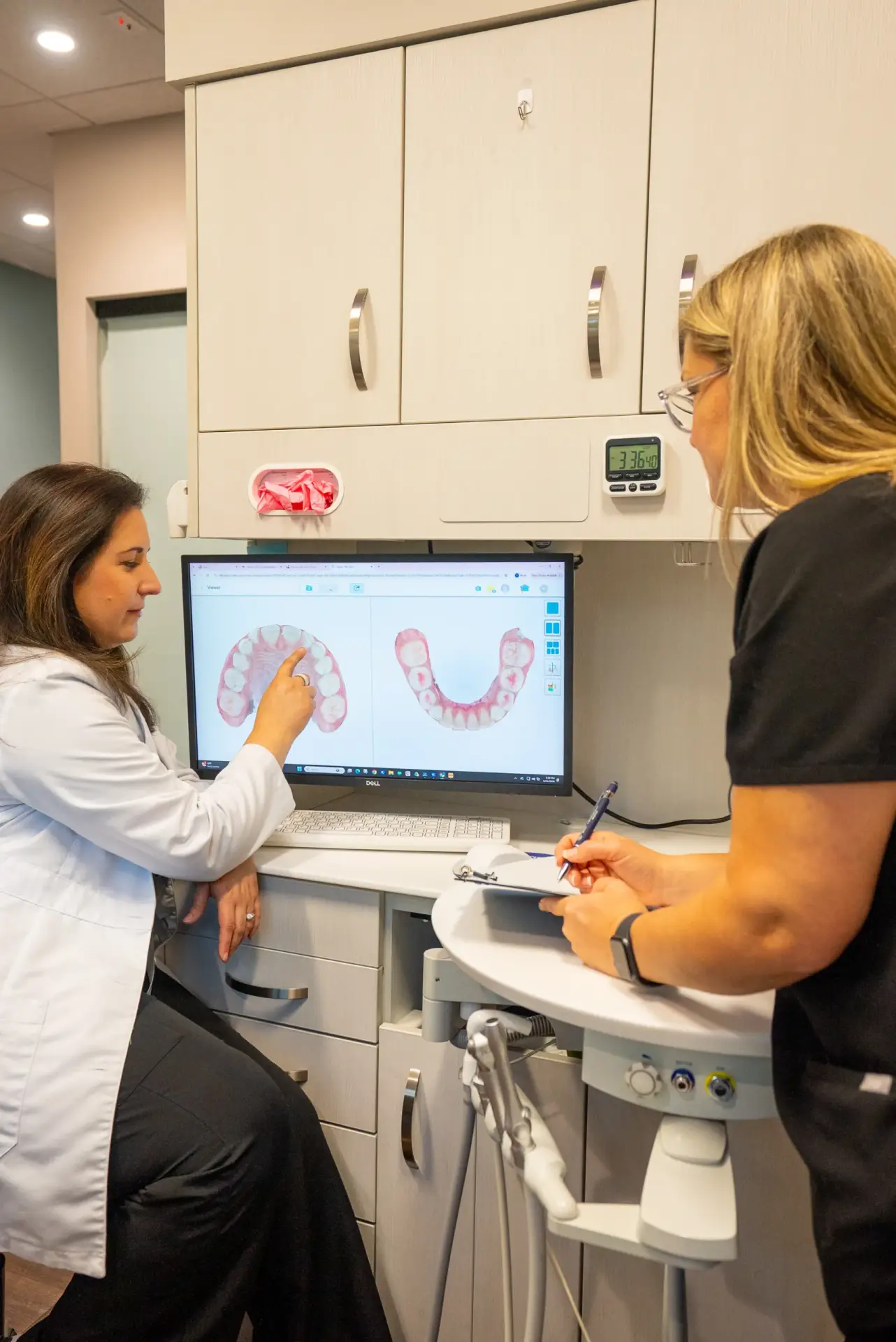
  • Digital scansto assess the teeth, palate, and bite
  • Tongue function evaluationincluding space, posture, mobility, and tone
  • Airway and breathing assessmentto understand functional breathing patterns
  • Bite and jaw function analysisto see how the jaws, muscles, and teeth work together
  • Sleep screeningwhen appropriate
  • Growth and development evaluationof the face and jaws in growing children

If expansion is recommended, the type of appliance and treatment sequence are selected based on your anatomy, age, development, and individual goals.

Expansion may also be coordinated with myofunctional therapy, orthodontics, tongue tie treatment, or other care when those pieces are necessary to support better long-term function.

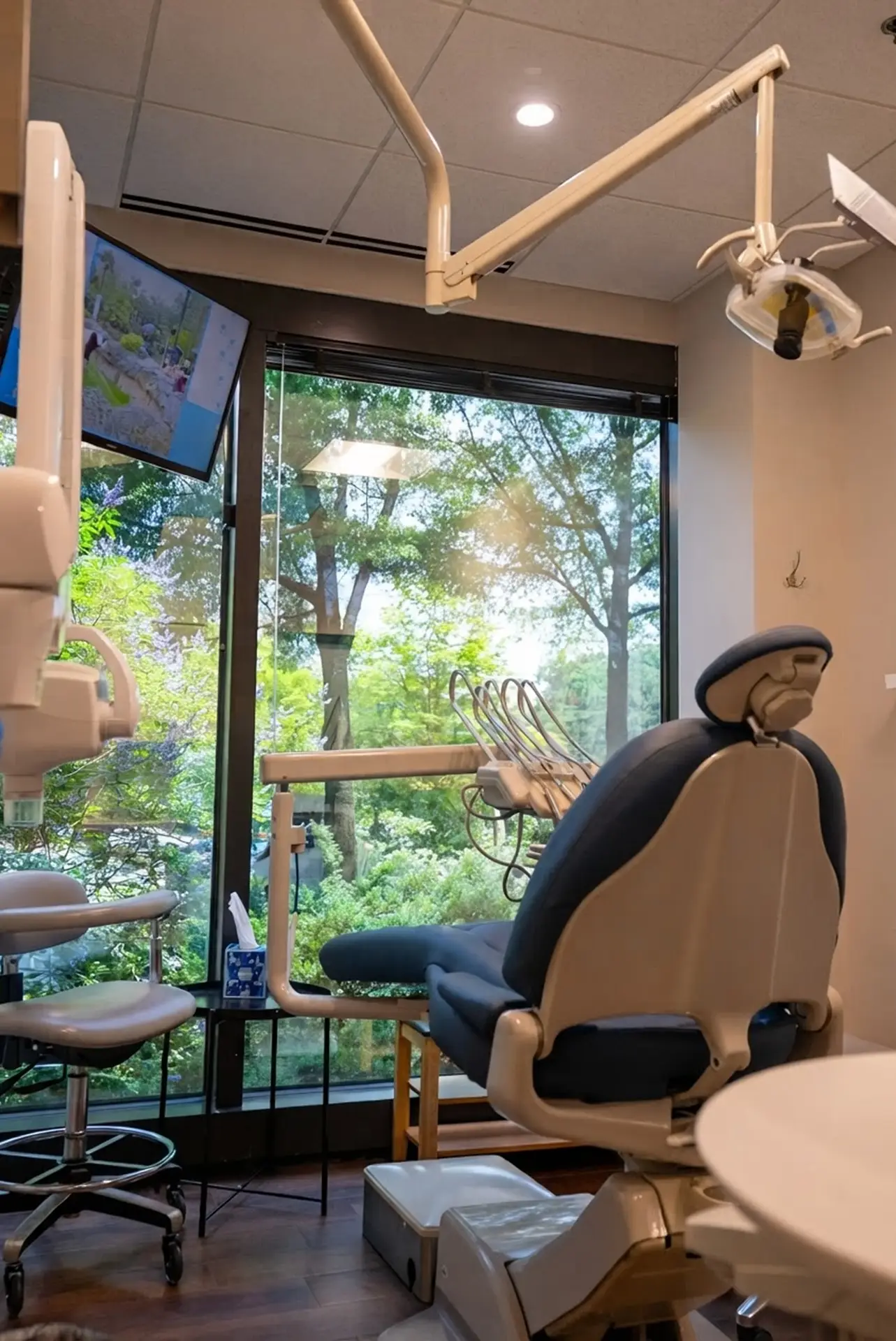
Wellspring Dental treatment room with a dental chair beside a window

The Wellspring Method

Creating Space Is Only Part of the Goal

A wider jaw by itself is not the finish line.

The goal is to create an environment where the teeth have appropriate space, the tongue can function where it belongs, the bite can work more efficiently, and the airway has a healthier structural foundation.

That is why we look at expansion as one part of the Wellspring Method. Structure, breathing, tongue function, and bite all influence one another, and treatment works best when those relationships are considered together.

Your Next Step

Getting Started Is Simple

Start with an evaluation so we can understand your anatomy, function, and what may be contributing to the patterns you’re experiencing.

From there, we’ll explain what we find, whether skeletal expansion makes sense, and how it would fit into your overall treatment plan.

1

Start With an Evaluation

Choose the appointment type that best matches what you or your child are experiencing.

2

We Look at the Full Picture

We evaluate structure, function, breathing, tongue space, bite, and the concerns that brought you in.

3

You Get a Clear Plan

We explain what we find and how expansion may or may not fit into the larger treatment plan.

See Our Appointment Types and Find the Right Starting Point

Not sure where to start? Call us at (404) 806-7979 and we’ll help you decide.